15 PROJECTS SINCE 2015

Community-led projects

Explore how Jengo and our local partners turn community-led ideas into practical solutions for clean energy, water, education, health and women's leadership.

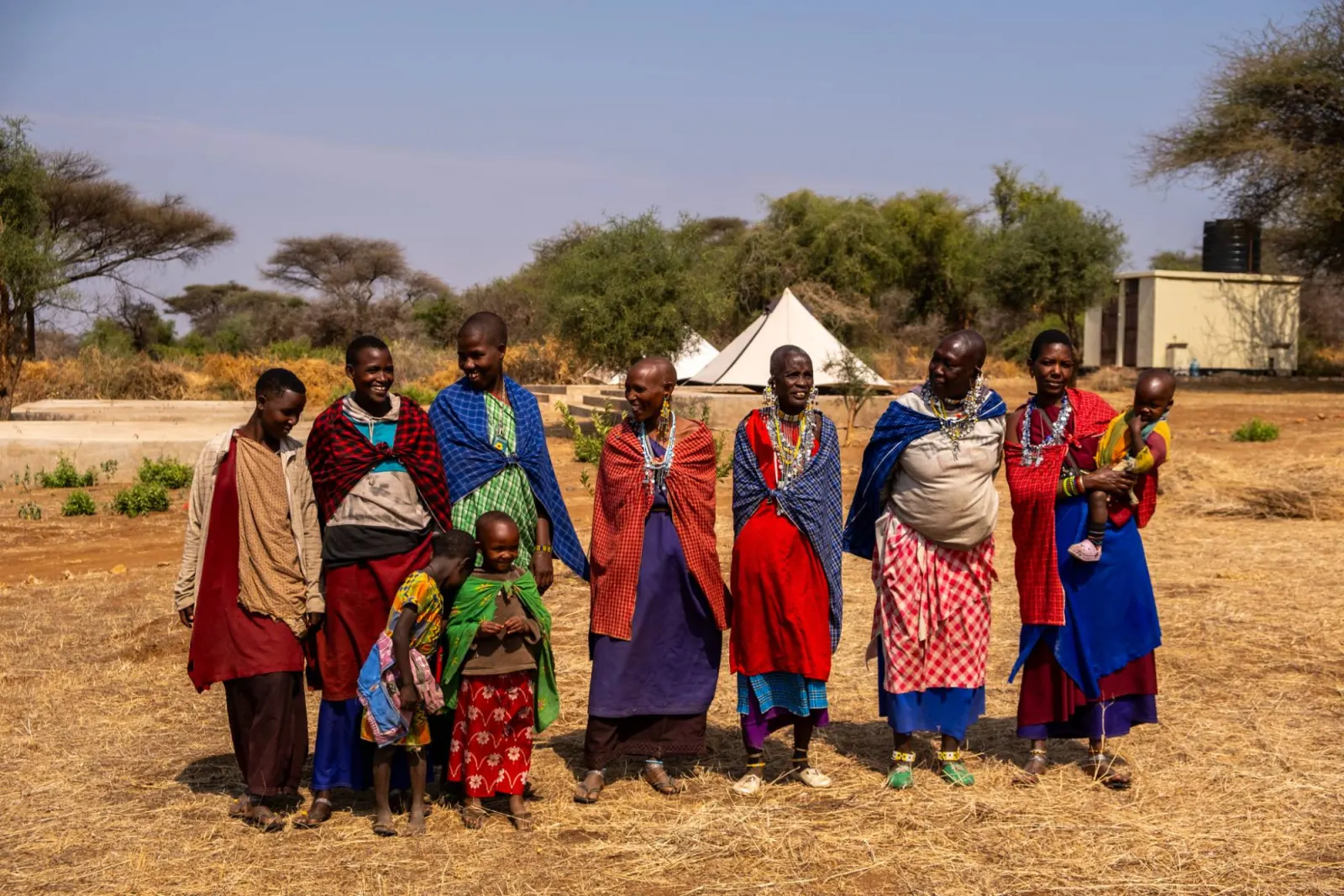
Women and children in front of the tents at Kili View Maasai Lodge
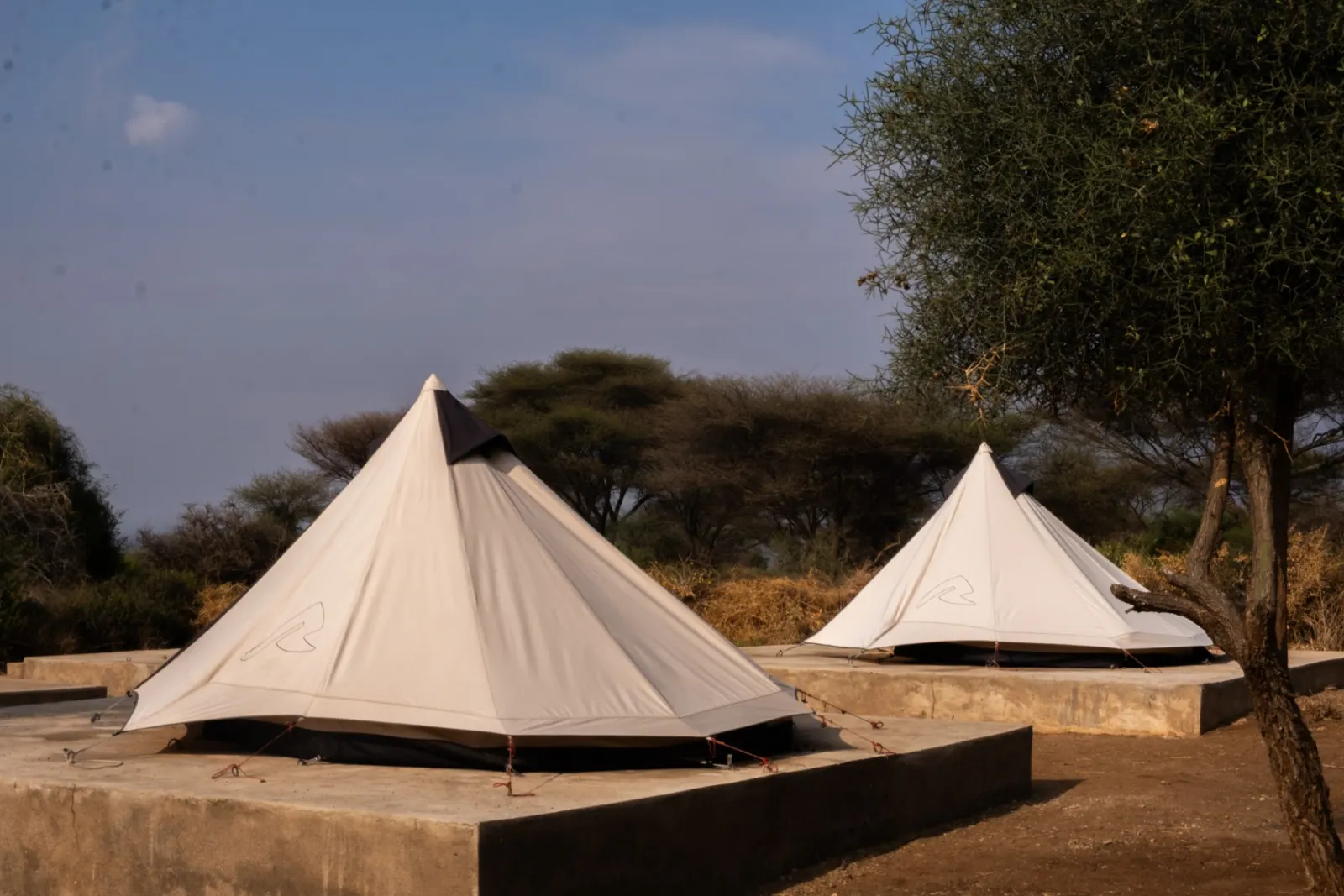
Two white bell tents on concrete platforms among the trees
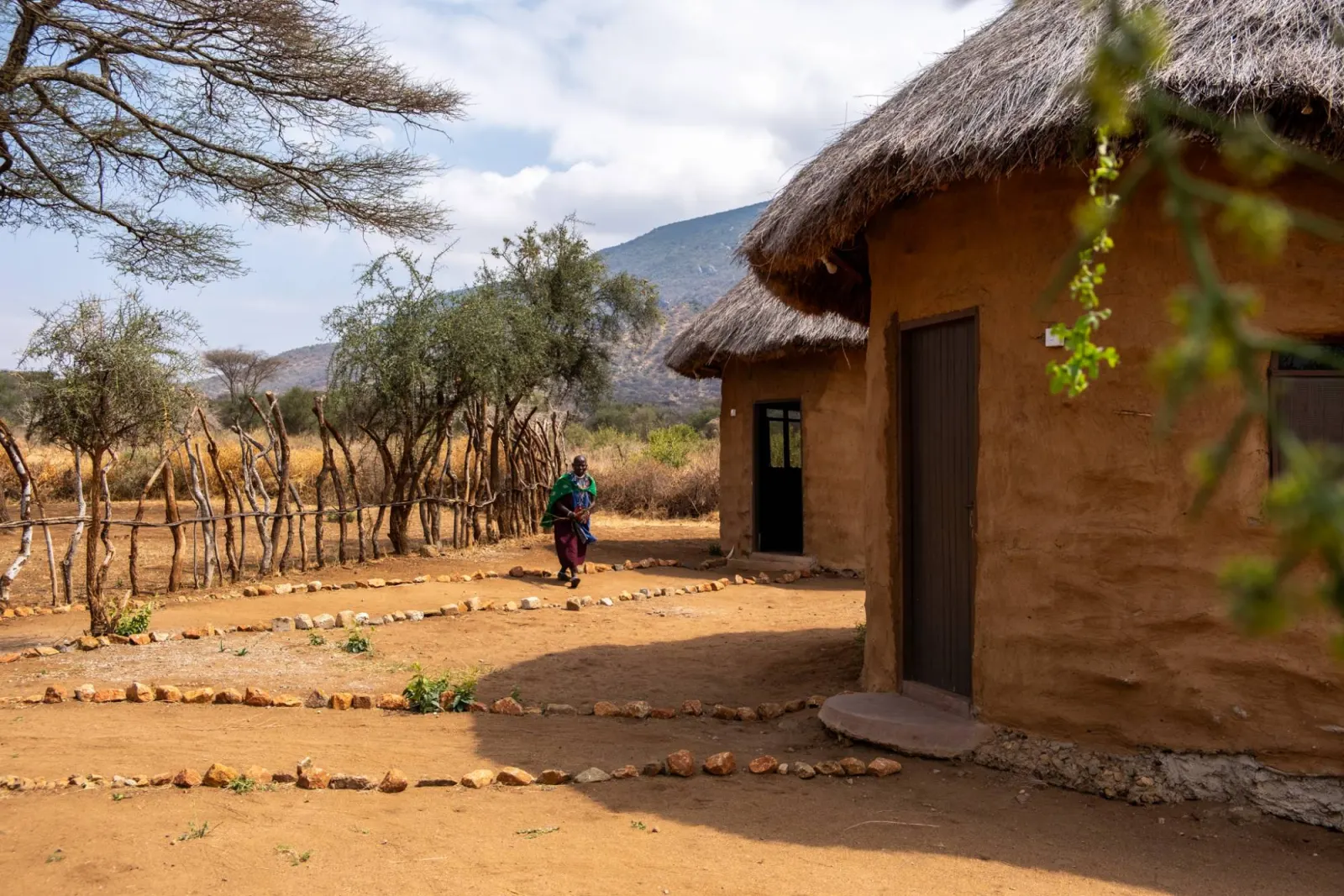
A woman walking along a stone-lined path between the round thatched huts
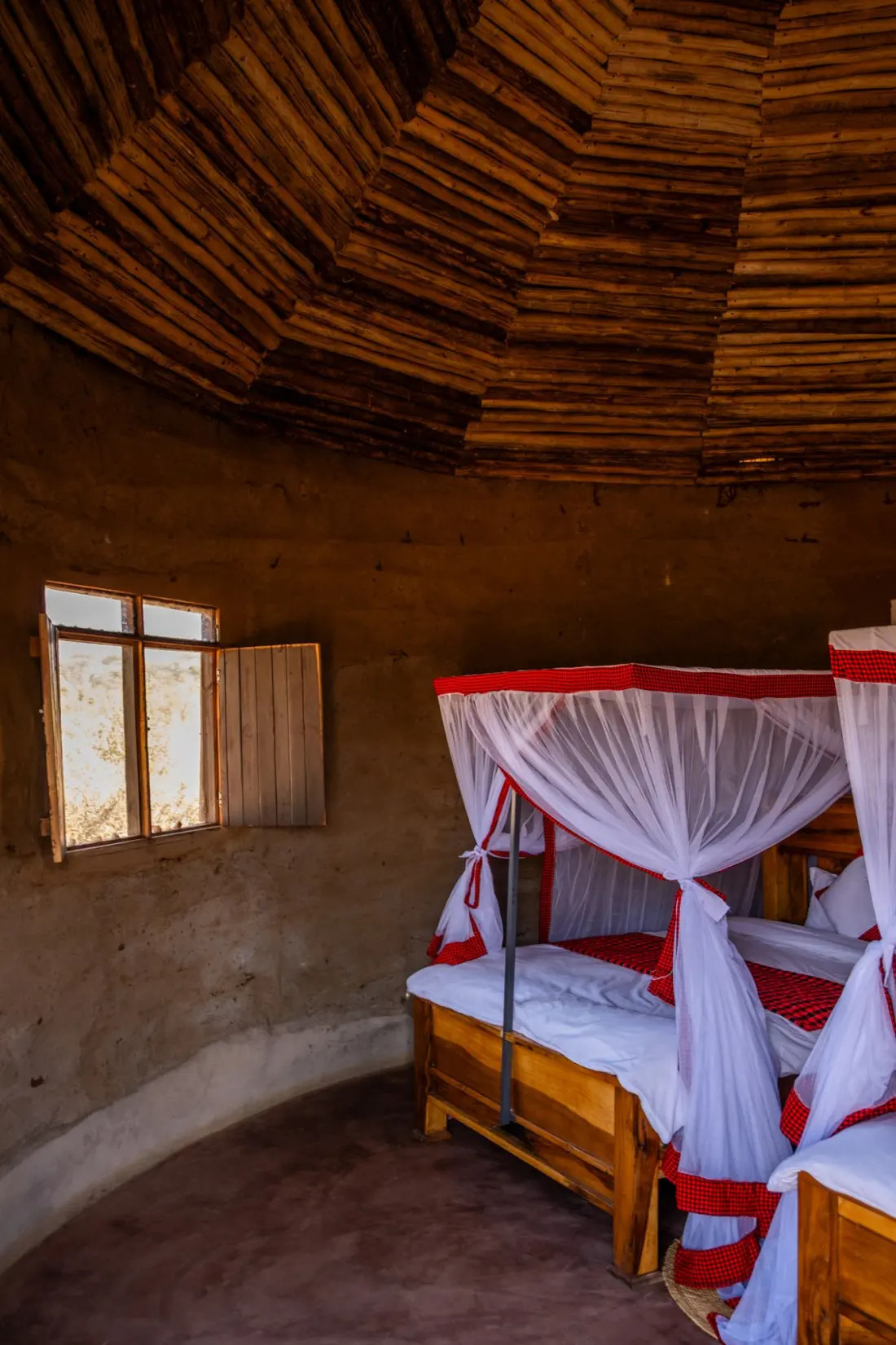
Inside a hut: two beds with mosquito nets trimmed in red shuka fabric
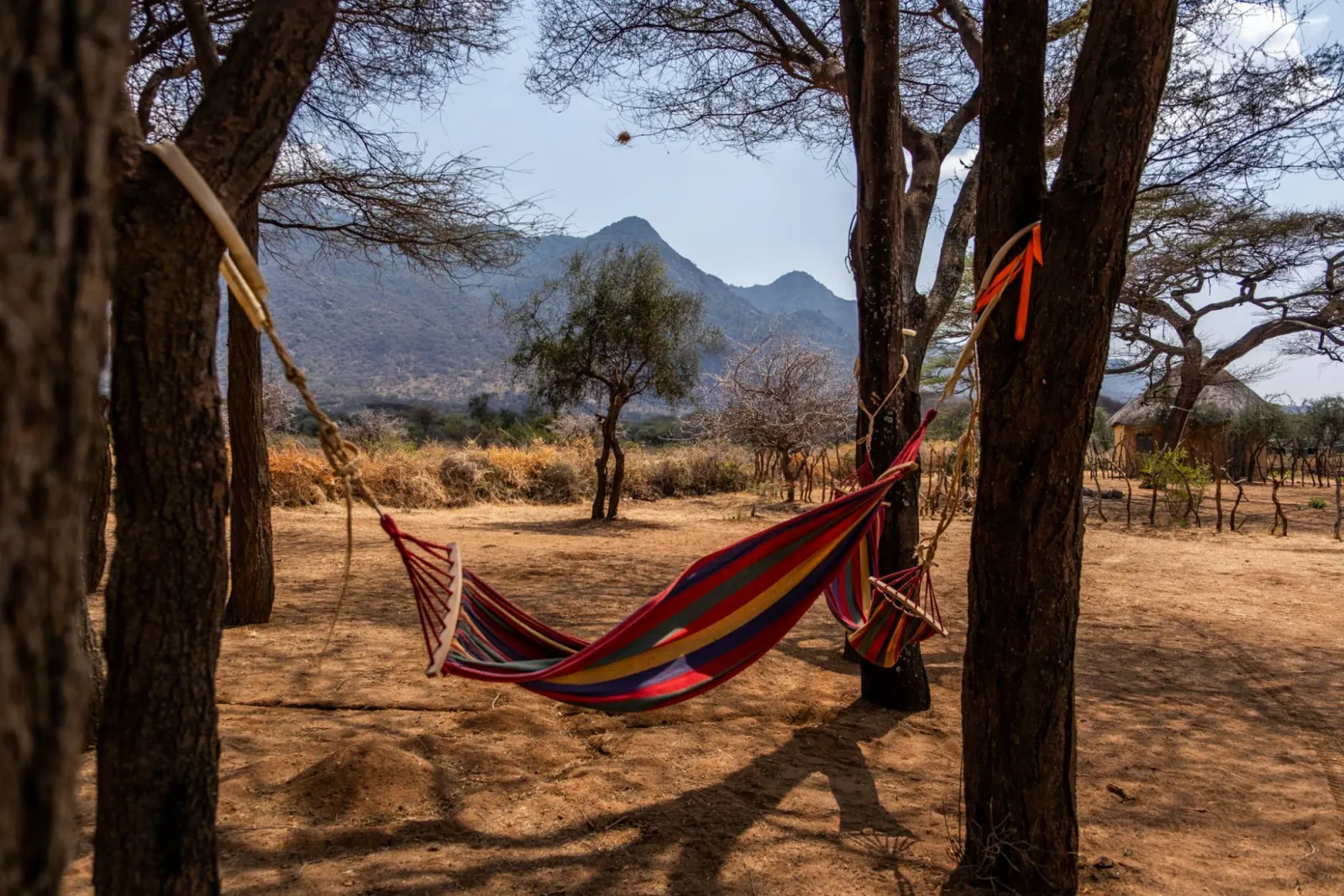
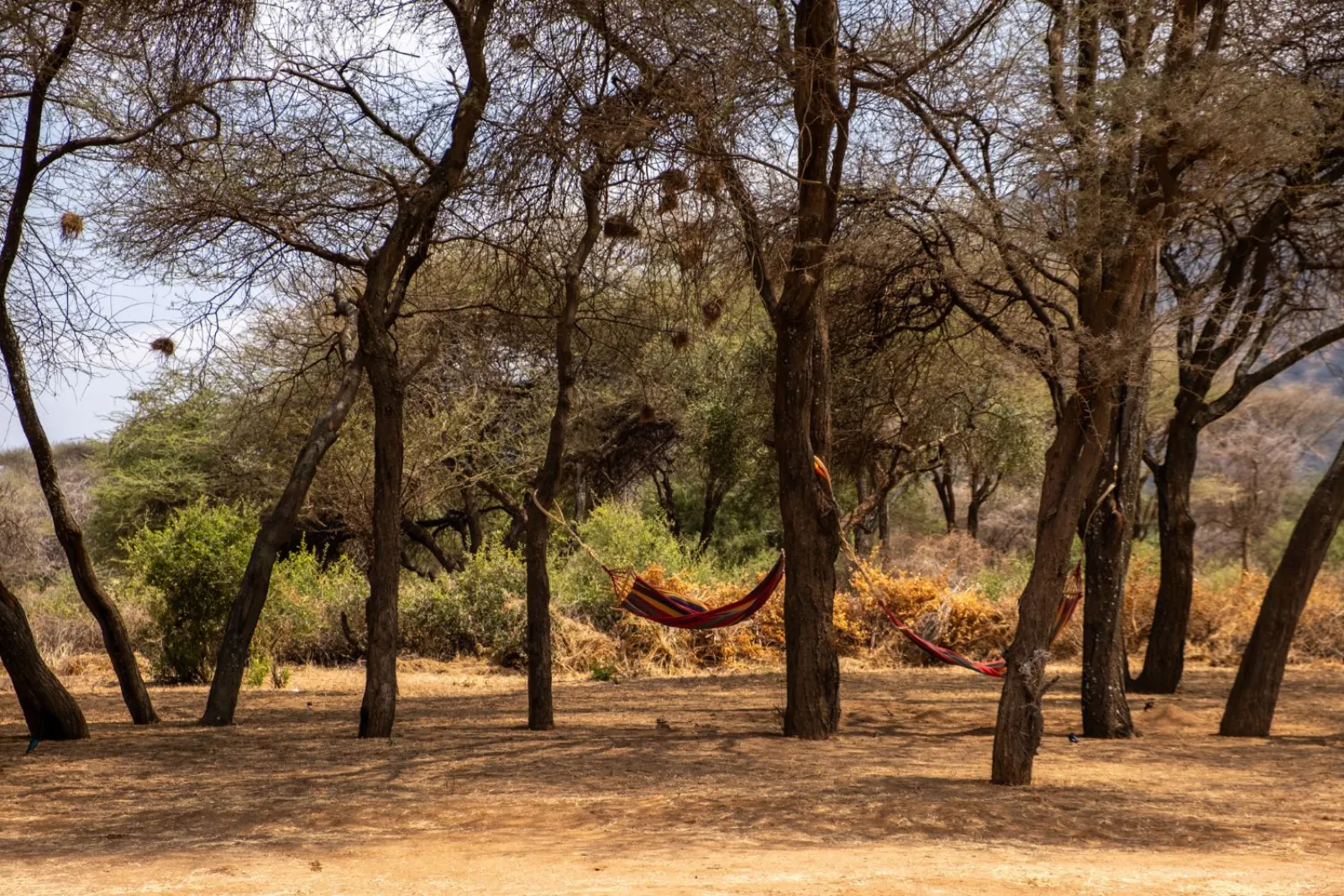
A striped hammock between trees with mountains behind
Two hammocks in the shade of the trees
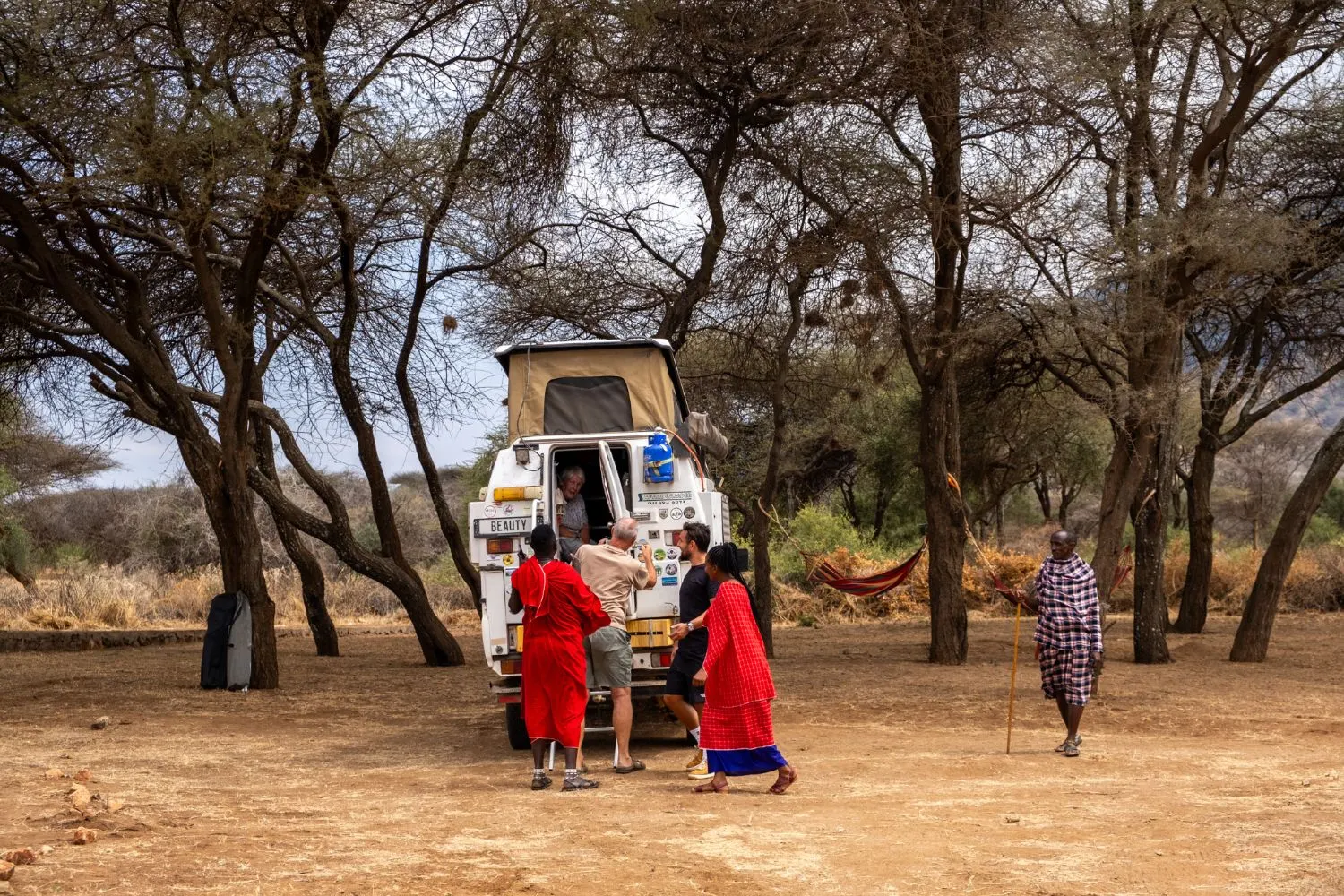
Guests arriving in an overland car, welcomed by women and men from the community
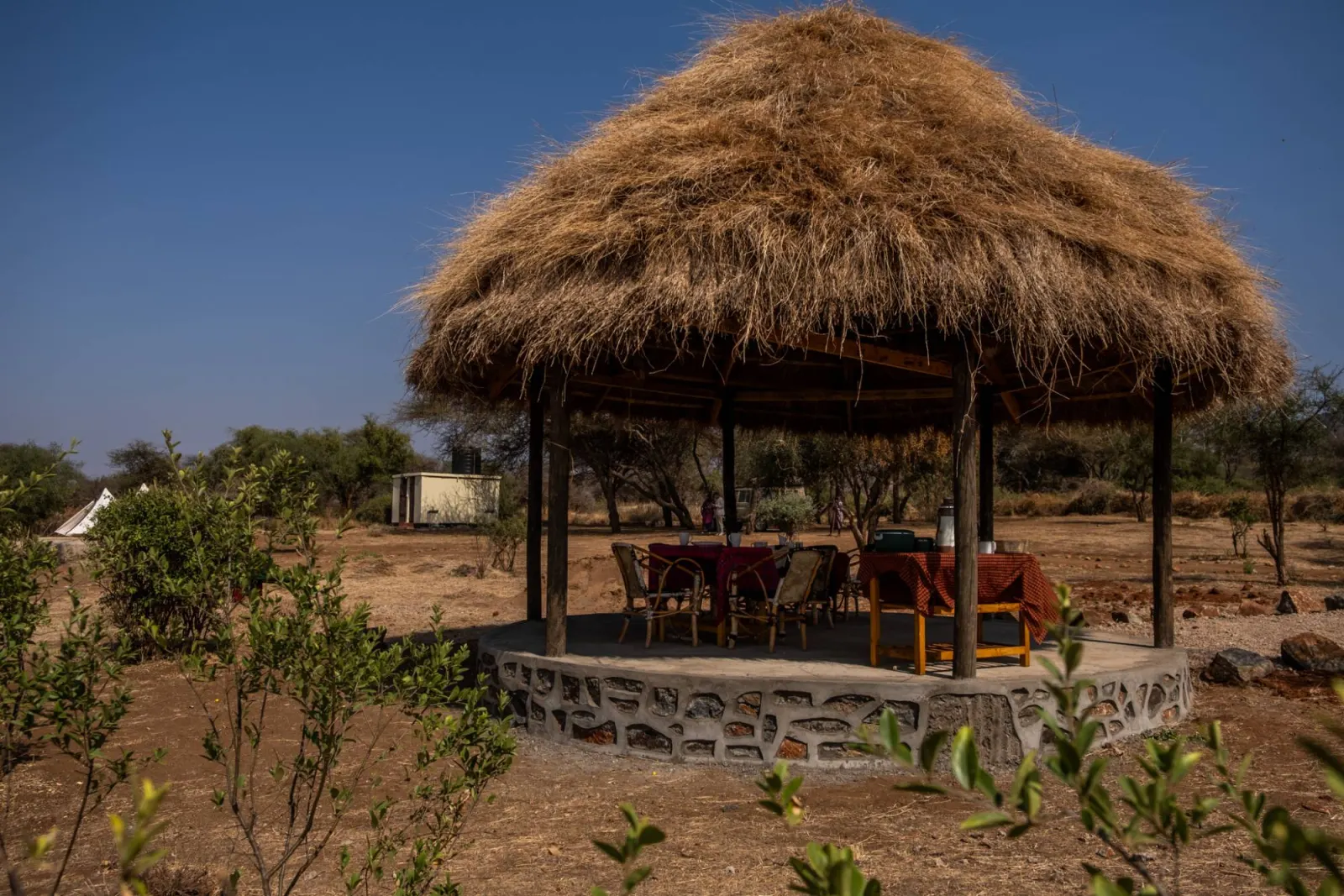
The thatched dining area with tables and chairs
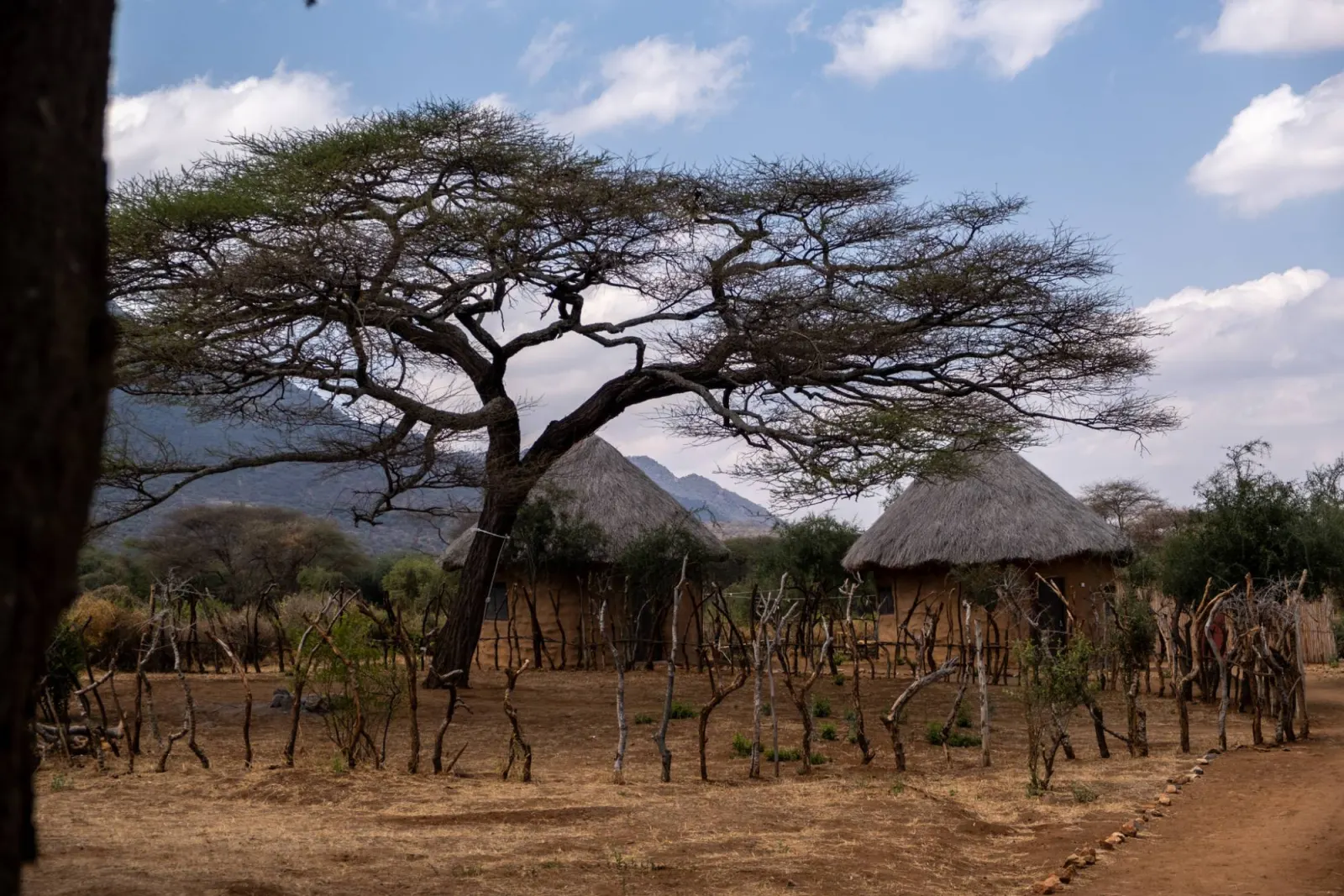
Two round thatched huts behind a large tree and a stick fence
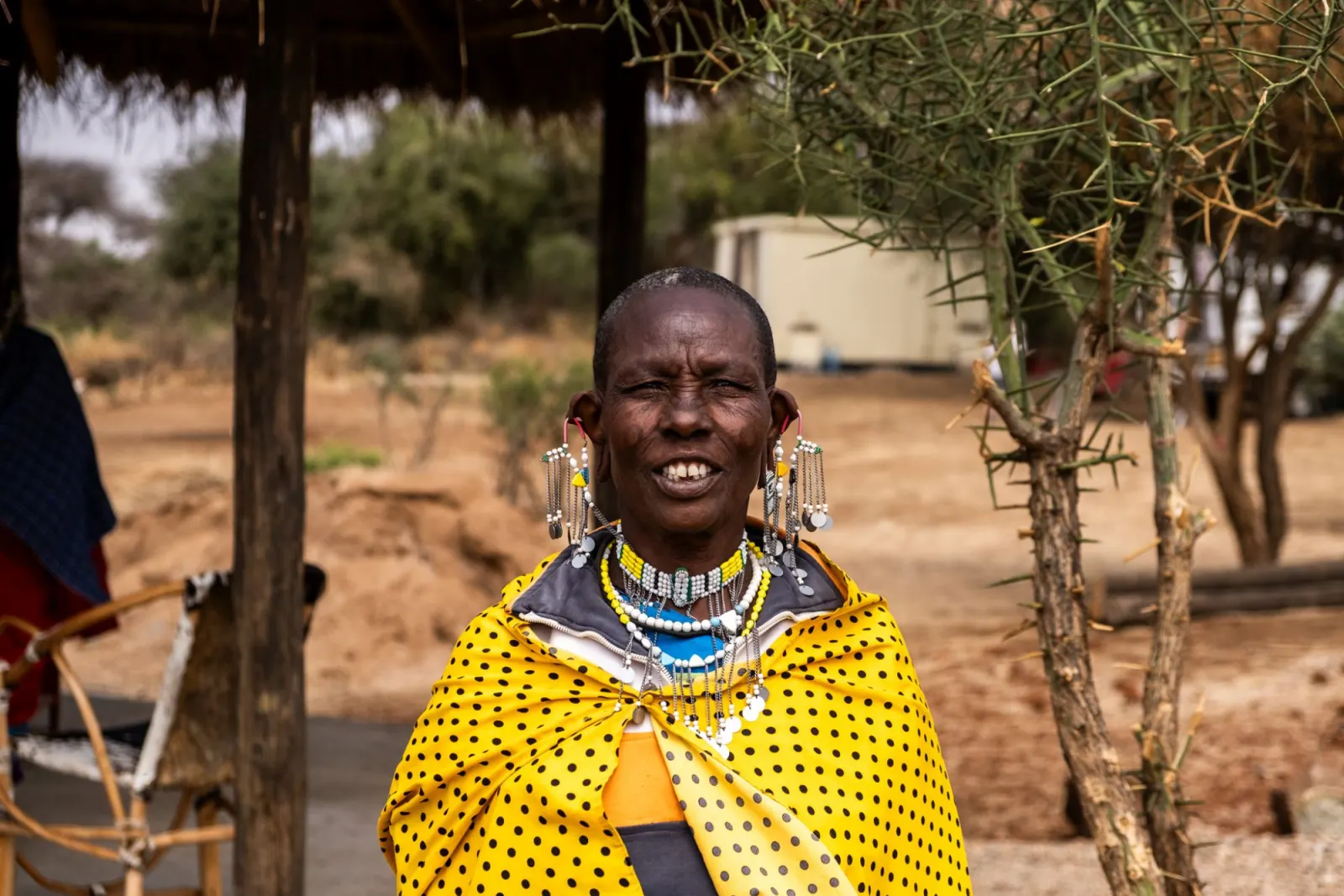
A woman in a yellow shawl and beaded jewellery at the lodge

The women at the lodge 1 / 10

Our focus 2025 - 2026

Kili View Maasai Lodge

Guests from around the world stay with the community and meet the Maasai women Jengo works with - and learn about Maasai life, culture and women-led initiatives.

  • Owned by the womenThe women own both the lodge and the land.
  • Jengo's roleFunding and professional advice until the lodge is a sustainable business.
  • Where the profits goAll profits go to the women's community.
2021 - present

Solar power for a local hospital

2024

Solar power for a local hospital

In partnership with Aarhus TECH and the Don Bosco technical school KIITEC, Jengo brought Danish apprentices to Tanzania to install solar power at a new hospital in Monduli District. Danish and Tanzanian students worked side by side, combining practical training with action on health and clean energy (SDGs 3 and 7). Supported by the GLOBUS fund, the project helped bring reliable power to a hospital serving Maasai communities where access to electricity is limited.

The Women’s (Haki) Network

2021 - 2024

The Women’s (Haki) Network

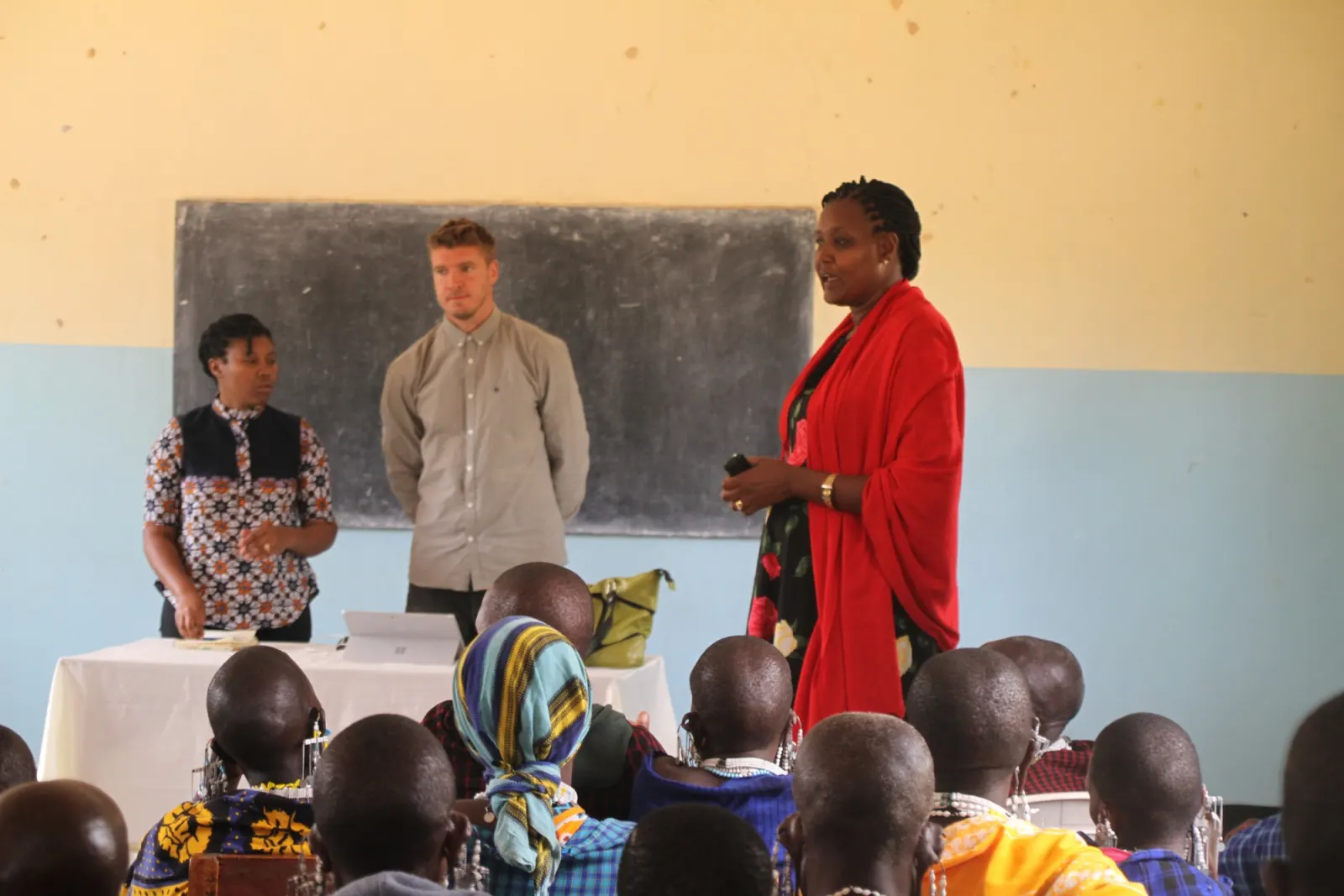
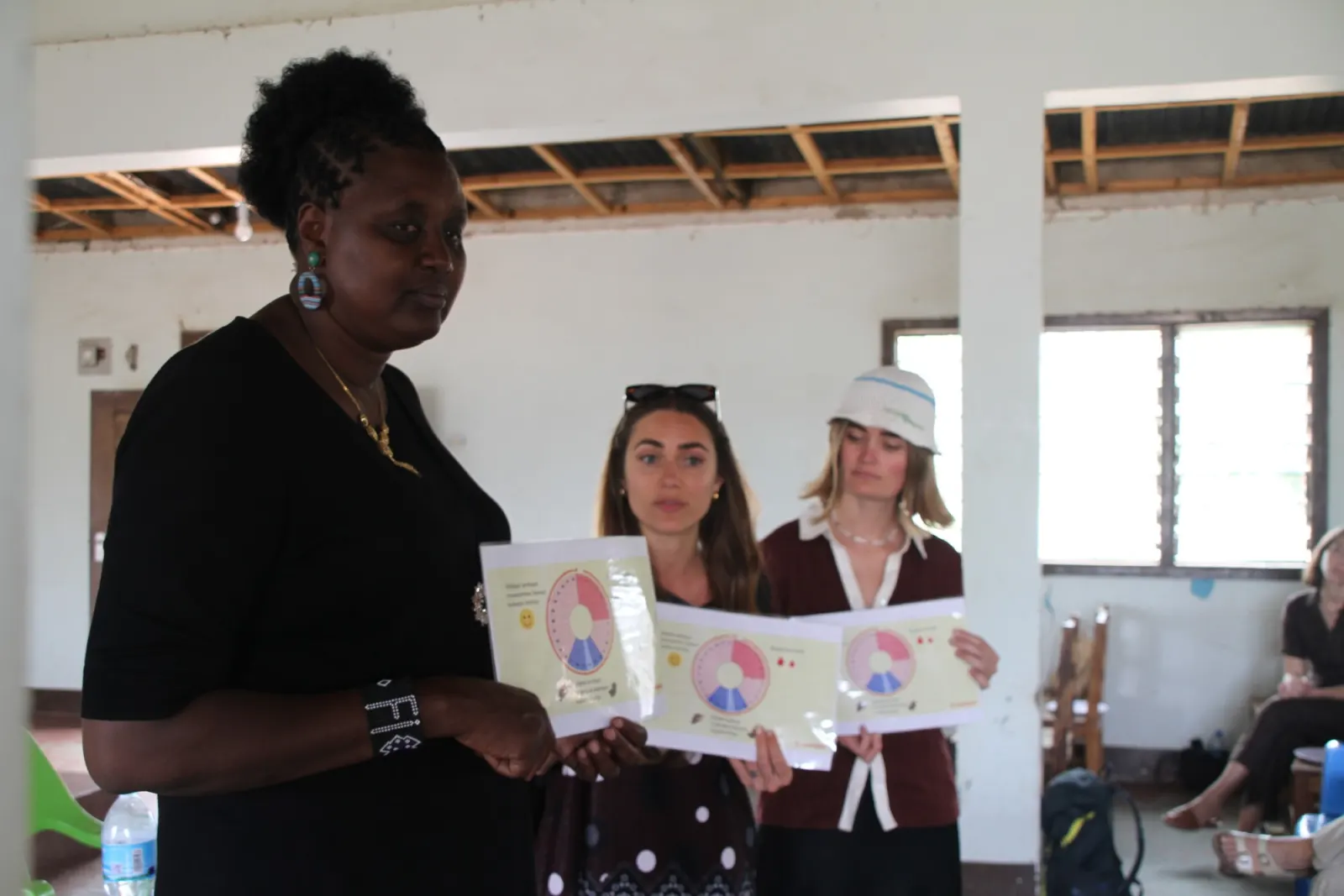
“Haki” means “rights” in Swahili. Building on the Smart Village initiative, the project grew the network of women’s groups in Longido District from 51 to more than 150, reaching around 3,000 members. Through a train-the-trainer model, women developed knowledge and leadership skills in human rights, local politics, livelihoods, agriculture and health - strengthening their influence in their communities and their confidence to pursue local leadership roles.

Board trip

2021

Board trip

After COVID-19 had limited opportunities to visit local partners, Jengo’s board and volunteers returned to Tanzania in November 2021. They met members of the women’s network, which had grown to more than 100 groups, and learned how women were advancing entrepreneurship and increasing their influence in local decision-making.

Photo: Case competition

2021

Case competition

The Danish Technical University invited Jengo again to present a case where university students were required to build a prototype for a solution that can support the manufacturing process of a local dairy farm. The winning group for best solution was Team RAW, who made an innovative prototype that can produce water from thin air concealed in a large refrigerator. The aim of this solution is to maximise water supply for cleaning machinery and reduce the water consumption footprint. The next phase is further implementation in the field.

2019 - 2020

Photo: Smart Village

2019 - 2020

Smart Village

Together with our local partner LOOCIP, Jengo ran workshops in Maasai villages across Longido District to develop practical, locally led solutions. Women aged 20-40 led work in three areas: healthier clay stoves, improved agriculture and rainwater collection, and small-scale solar and wind power. The project established the first 51 women’s groups, creating the foundation for today’s wider women’s network.

Digital Learning

2019 - 2020

Digital Learning

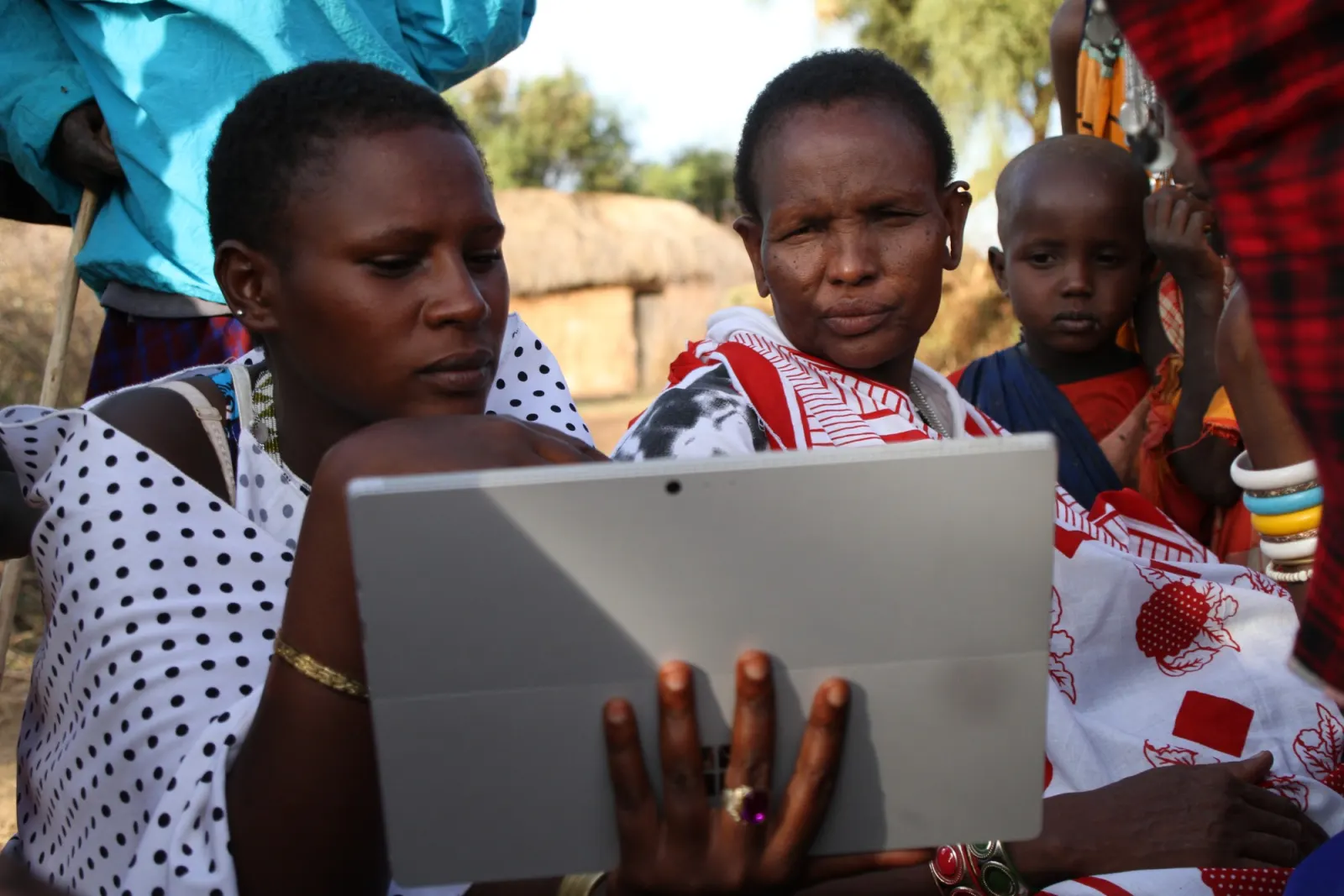
With support from Lenovo, Jengo provided tablets to five Maasai villages in Tanzania, expanding access to digital learning for children and women and opening new pathways to knowledge and information.

See the video
Smart Stations for electricity

2019 - 2020

Smart Stations for electricity

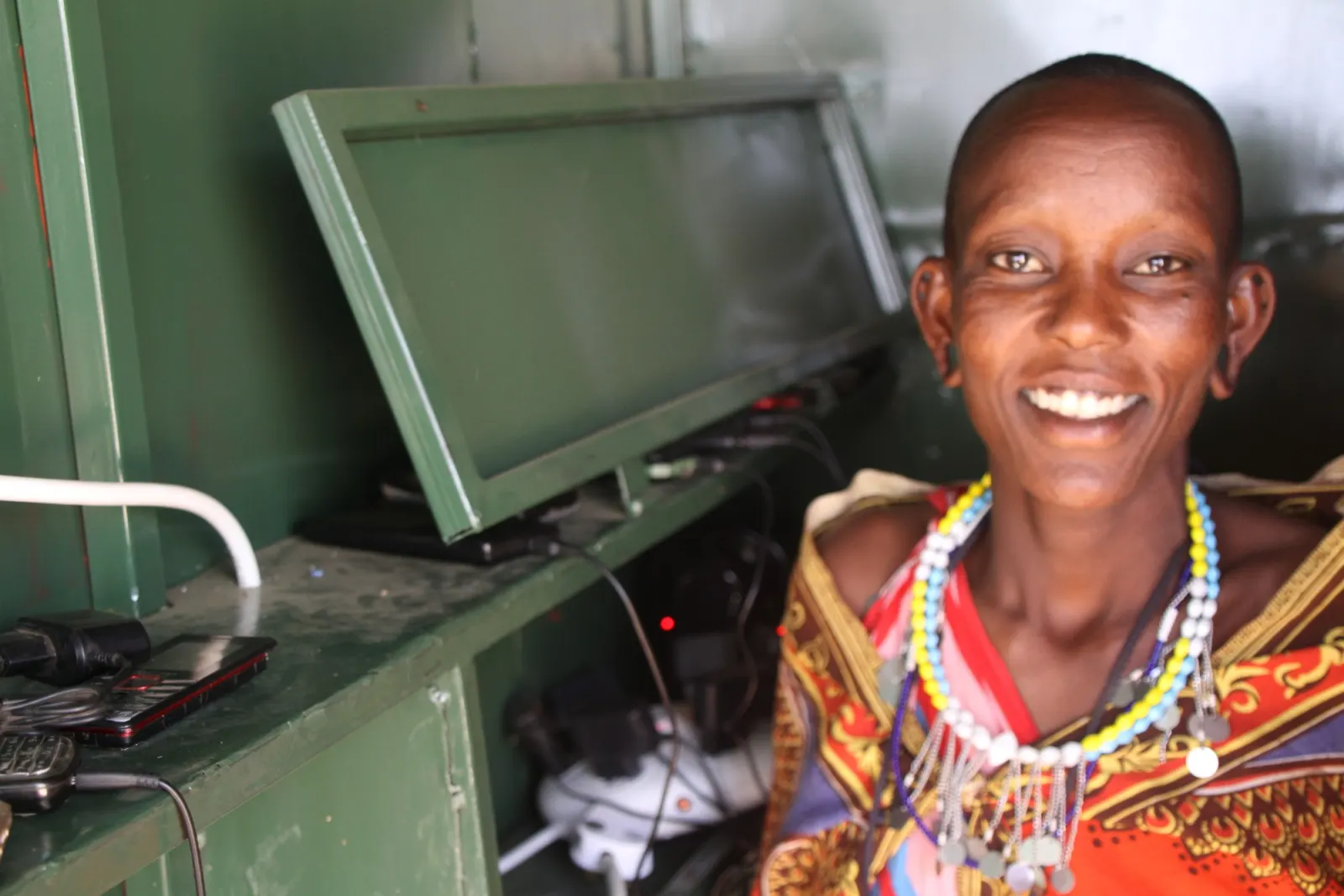
Jengo supported five villages in developing Smart Stations: community hubs where local women could sell electricity and goods. Income from the stations contributed to the women’s shared savings activities and helped fund transport for workshops across the region.

Digital land use planning

2019 - 2020

Digital land use planning

Together with Microsoft, Jengo explored digital land-cover mapping to support more informed use of natural resources. The approach was designed to strengthen local planning and provide communities with earlier warnings of risks such as drought and livestock disease through SMS alerts.

Photo: Smart Stoves

2019 - 2020

Smart Stoves

Jengo shared practical knowledge with local women on building efficient clay stoves. Compared with cooking over an open fire, the stoves can reduce smoke, fuel use, cooking time and pressure on surrounding forests, while community workshops create space for learning and collaboration.

2015 - 2018

Case competition

August 15, 2018

Case competition

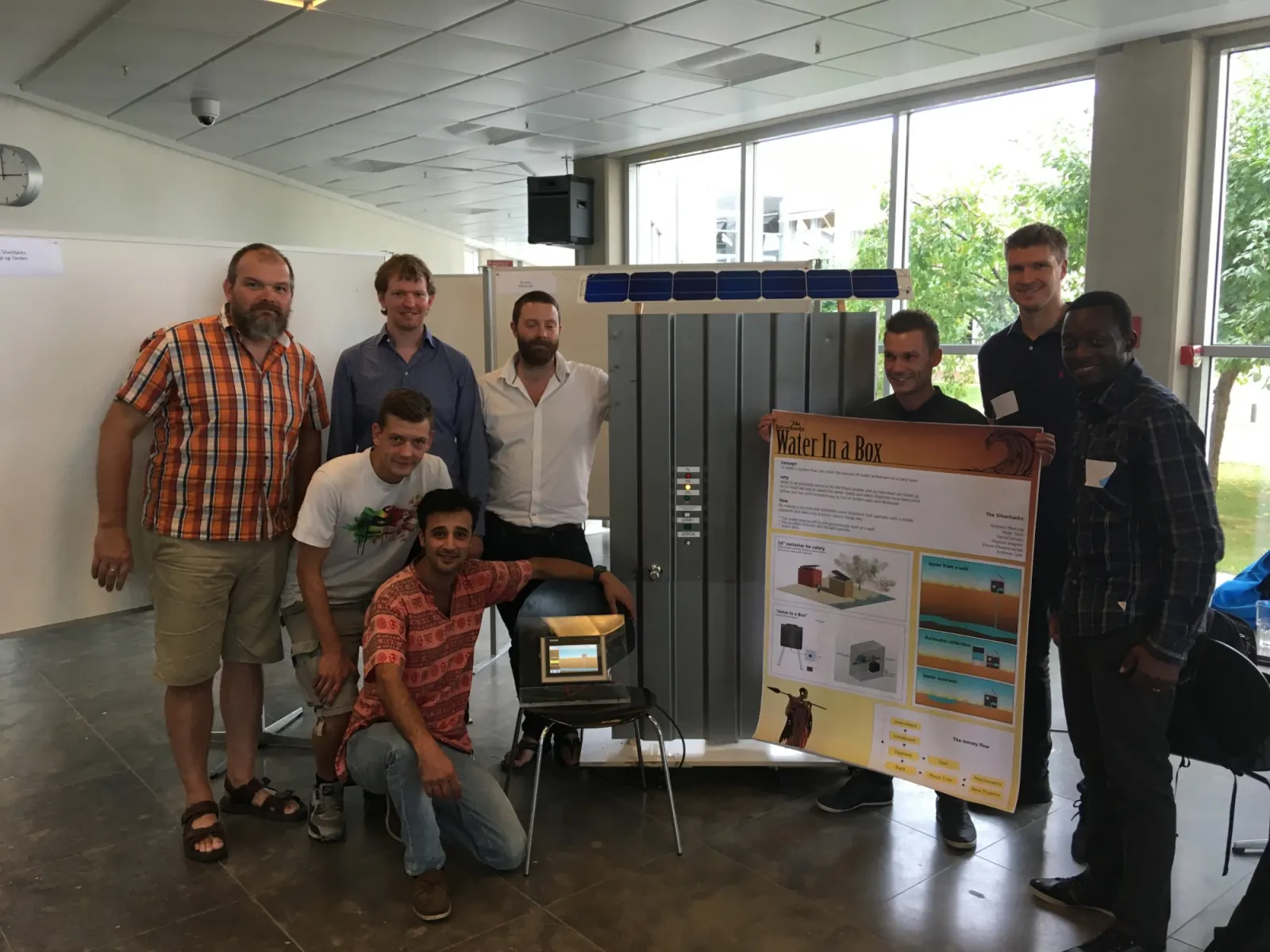
The Danish Technical University invited Jengo to present a case where university students were required to build a prototype for a solution that could help solve social issues in remote areas. The goal was to give students the opportunity to use their technical skills in a social context and promote development work. The group you see in the picture were the winners of the case competition, piloting an idea that enables villagers to pay for water via their mobile phones, so that the users can save up capital to meet social needs.

Photo: Bio Filter for clean water

2017

Bio Filter for clean water

Gravel, sand and charcoal - simple ingredients that can easily be used to provide clean drinking water. Participants in our workshop learned how to build and maintain their own bio water filter, giving 500 people access to clean drinking water.

Photo: Wind power

2017

Wind power

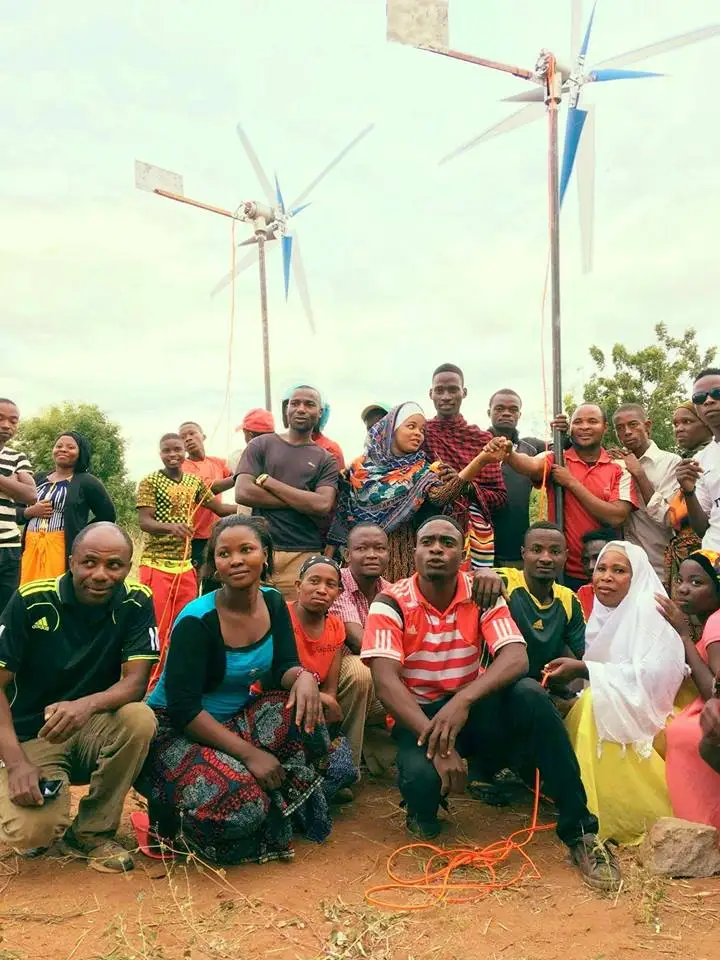
45 men and women participated in our workshop to learn how to make their own wind turbines and solar panels. The primary focus was to establish a platform where people across gender, age and status could work together on a common goal (generating free, renewable energy) while building friendships and creating a greater cohesion between communities.

Photo: Water pond

2017

Water pond

In the beginning of 2017, the Tanzanian village of Mlembule was hit by a period of prolonged drought, resulting in severe water shortages. This in turn triggered widespread livestock deaths, rupturing the very foundation of Maasai life. To mitigate the effects of such an event in future, Jengo provided resources and know-how for the construction of a 10,000 litre pond to help in times of water crisis.

A school is built

2015 - 2016

A school is built

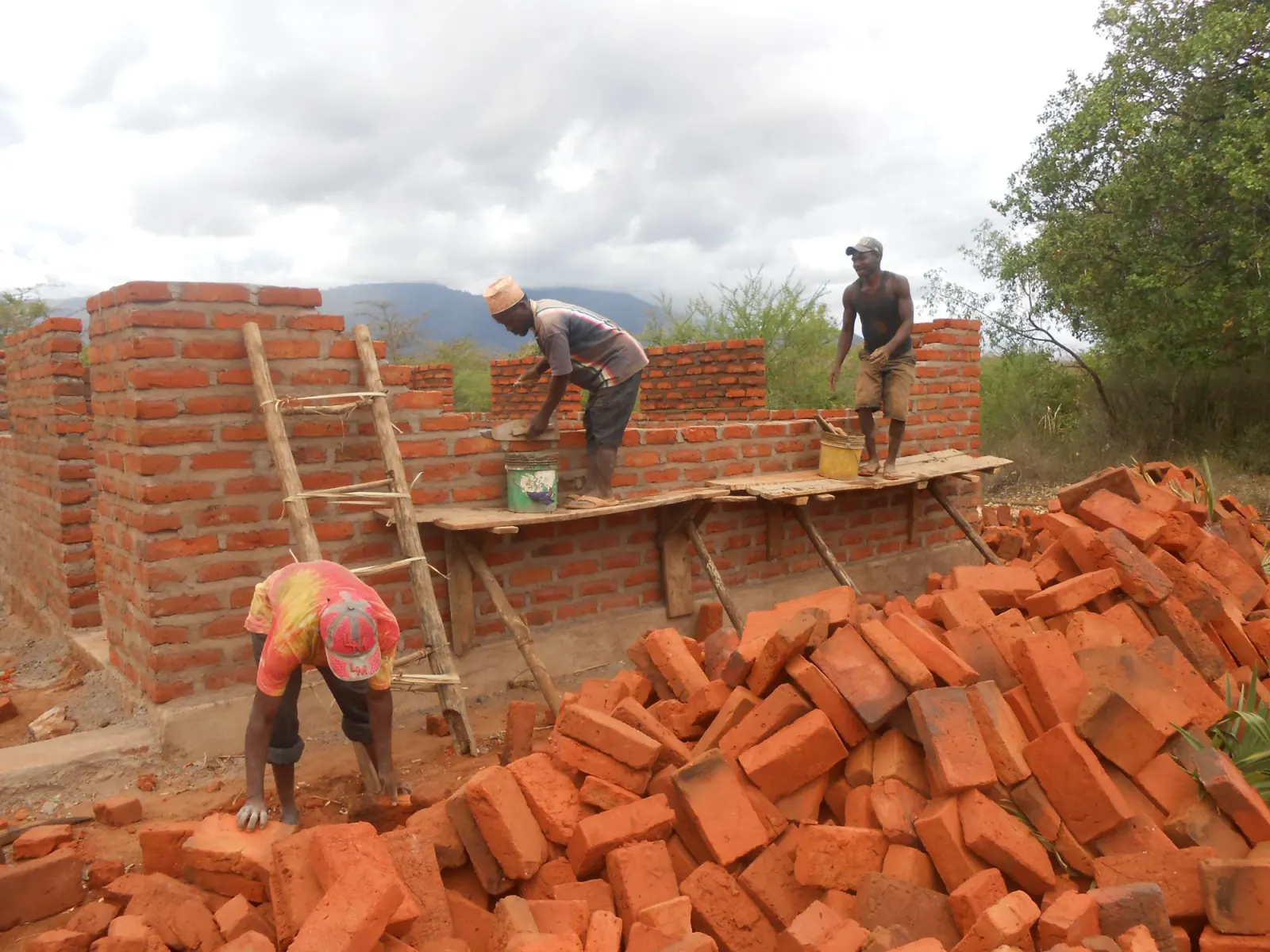
Our first project was made possible thanks to private donations and a major contribution from the German company Invisibobble, who helped build a school for over 70 children from the Maasai village of Mlembule, Tanzania, who were otherwise excluded from the education system.

Photo: Documentary film about the Maasai

2015

Documentary film about the Maasai

Jengo’s founder, Lars-Ulrik Nielsen, and board member Allan Kortbæk received a scholarship from DANIDA, the Danish Ministry of Foreign Affairs, to create a short documentary about Maasai marriage rituals. The film explored both a rich cultural tradition and some of the challenges connected with it. This early fieldwork became the catalyst for founding Jengo.

See the film

Help the next project happen

Become a member for DKK 100 per year, or join us as a volunteer.

Become a member Volunteer